Handing Over the Tongs: What My Son's Grilling Debut Taught Me About Leadership
What Happened When I Handed Over the Tongs
My wife had a wedding to attend. No dinner was planned and the clock was ticking. In a lot of households, that's a five-alarm fire.
In ours, my 13-year-old son solved it before I even started worrying. "I've got the grill, Dad."
I stepped back and gave him the tongs, supporting him as needed.



My son was proud in a way I hadn't seen from him in a while. And I realized I'd just watched a small, perfect example of something I talk about constantly in my coaching work: responsibility isn't handed over with words. It's handed over by stepping back.
Why Leaders Struggle to Let Go
Most of us don't hold on because we don't trust the person in front of us. We hold on because letting go feels like losing control — and losing control feels risky.
But think about what hovering actually communicates. Every time we correct, take over, or supervise a little too closely "just in case," we're sending a message: I don't fully trust you with this yet. Even when we don't mean to say it, that's what lands.
The leaders who build genuinely capable teams — and the parents who raise genuinely capable kids — are the ones willing to tolerate the discomfort of a slightly overdone burger, a report that isn't formatted exactly their way, a decision made differently than they would have made it. That discomfort is the price of someone else's growth.
Delegation Is a Skill, Not a Personality Trait
Here's the good news: this isn't about being a naturally hands-off person. It's a skill you can build, and it starts with a few honest questions:
Where am I still doing something myself that someone else is ready to own?
What would it cost me to let the outcome be "good enough" instead of "exactly how I'd do it"?
Am I giving people real responsibility, or just tasks I'm still secretly supervising?
Delegation done well isn't abdication. It's clarity about the outcome, trust in the person, and the discipline to step back and let them get there their own way.
How to Know When It's Time to Delegate
Who's standing in front of you right now, ready for the tongs? A team member who's outgrown their current role. A student who's ready for more ownership. A kid who's been watching and waiting for a shot.
Handing it over won't feel entirely comfortable. That's exactly how you'll know it matters.
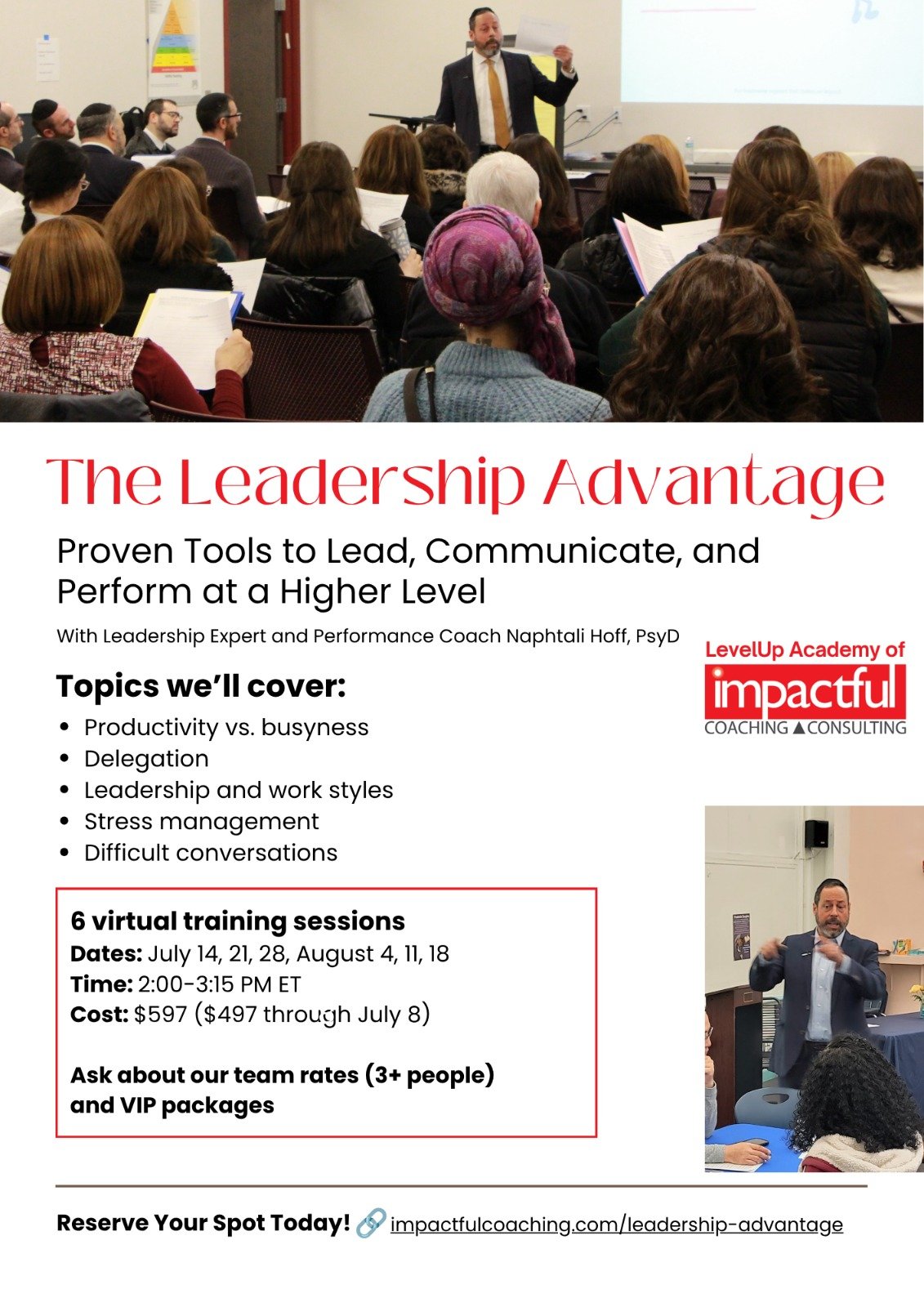
If delegation is a place where you get stuck — holding on too long, redoing work that was already fine, or unsure how to build a team you can actually trust — this is a core focus inside my Leadership Advantage program. We go deep into how to delegate with clarity and confidence, so you stop being the bottleneck in your own organization.