
The Lies We Tell Ourselves When Setting Goals
When we set goals, our brains tell us comforting stories.
This won’t take that long.
I’ll be more focused this year.
The interruptions will be manageable.
These thoughts feel harmless—even motivating. But they aren’t neutral. They are the product of two powerful cognitive biases that quietly undermine our goals before we ever begin: the planning fallacy and optimism bias.
This isn’t about laziness or lack of discipline. In fact, these biases tend to affect capable, conscientious people the most—those who care deeply about improvement and progress. Understanding how they work is the first step toward setting goals that actually hold up in real life.
The Planning Fallacy: Underestimating Reality
The planning fallacy is our tendency to underestimate how long tasks will take and how much effort they will require, even when we have ample past experience to draw from.
When we plan our goals, we imagine a best-case scenario:
Focused work blocks
Minimal interruptions
Steady energy and motivation
What we don’t fully account for are the predictable realities:
Meetings that run long
Unexpected problems that demand attention
Fatigue, stress, and competing priorities
As a result, goals that seem reasonable on paper quickly become unrealistic in practice. When progress slows, we often interpret that as personal failure rather than a flawed plan.
The cost: frustration, guilt, and eventually abandonment.
Optimism Bias: Believing the Future Will Be Different
If the planning fallacy underestimates time, optimism bias overestimates us.
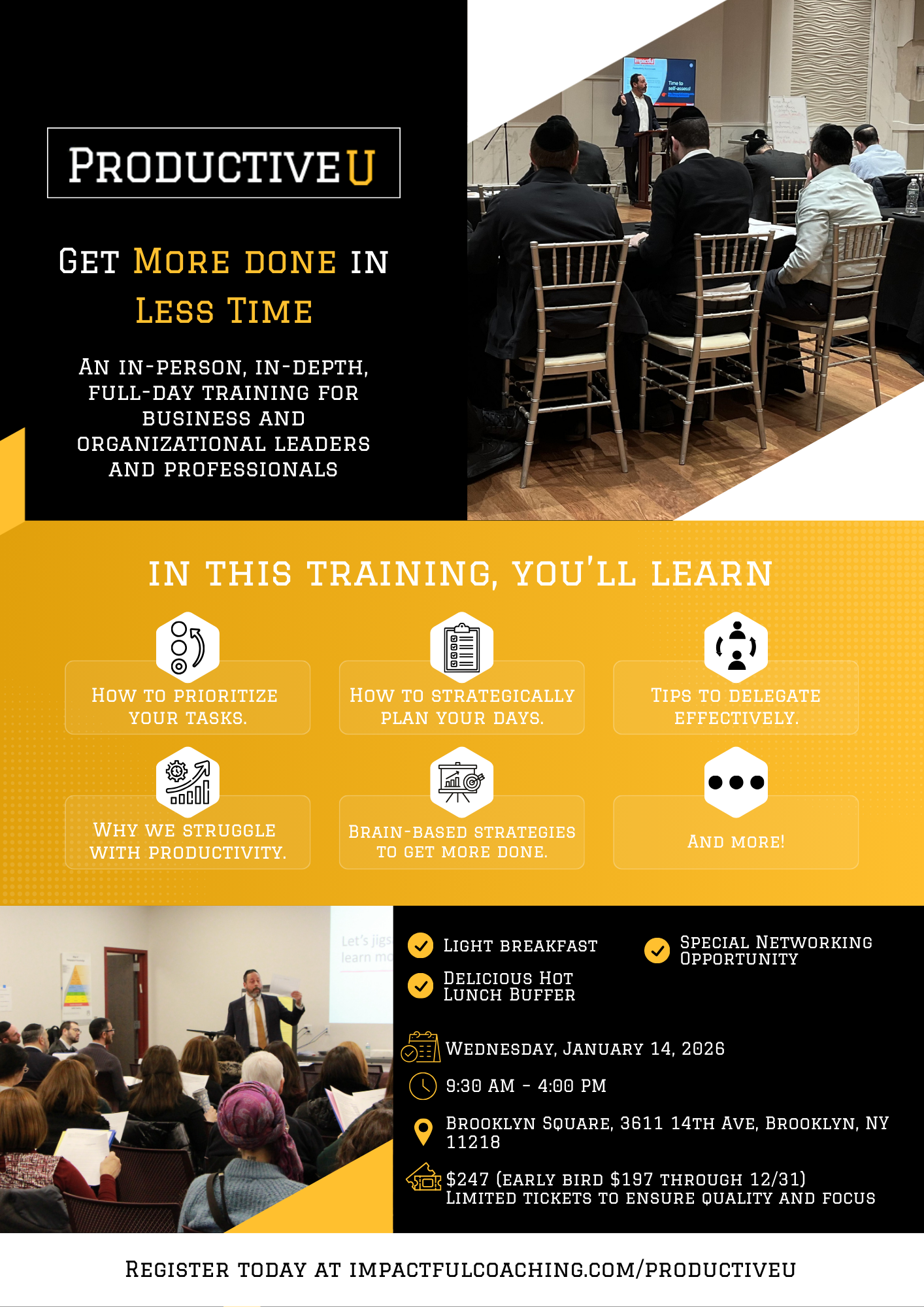
Want to go deeper and be sure that your goals stick? Attend my in-depth full-day productivity training session on January 14!
Optimism bias is the belief that we will be more focused, more disciplined, and more consistent in the future than we have been in the past. It convinces us that this year will be different—without requiring us to change the systems that produced last year’s results.
We tell ourselves:
“I’ll protect my time better next year.”
“Once things calm down, I’ll get to this.”
“I won’t let the same distractions get in the way.”
The problem isn’t hope. The problem is ignoring evidence. Past behavior is not a moral verdict—but it is valuable data. When we dismiss it, we repeat the same patterns with new goals attached.
Why Motivation Isn’t the Fix
When goals fail, the default response is to try harder. More willpower. Better habits. Stronger accountability.
But motivation can’t rescue a goal that was designed for a fantasy version of life.
Many goals fail because they assume:
Unlimited cognitive bandwidth
Consistent emotional energy
Minimal external pressure
In other words, they’re built for ideal conditions that rarely exist. Sustainable progress requires a different starting point.
A Better Way to Set Goals for 2026
If 2026 is going to be different, goal setting must begin with realism, not optimism alone.
Here are four practical shifts that help neutralize both the planning fallacy and optimism bias.
1. Start With Constraints, Not Aspirations
Instead of asking, “What do I want to accomplish?” start with:
How much discretionary time do I actually have?
Which seasons of the year are heavier or lighter?
What responsibilities are non-negotiable?
Constraints are not obstacles; they are design parameters. Goals that respect them are far more likely to survive the year.
2. Assume It Will Take Longer Than You Think
A simple rule: add 30–50% more time than your initial estimate.
Then ask:
If this goal takes longer than expected, can it still fit into my life?
If the answer is no, the goal needs to be smaller or simpler. Durability matters more than ambition.
3. Translate Outcomes Into Behaviors
Outcomes inspire us. Behaviors move us.
Instead of:
“Be more strategic”
“Write a book”
“Improve work-life balance”
Define:
A weekly planning ritual
Two protected writing sessions per week
A daily shutdown time
Clear behaviors remove ambiguity and reduce the cognitive load required to follow through.
4. Review Early and Often
Most people wait too long to assess whether a goal is working.
Weekly check-ins help you ask:
What moved forward?
What didn’t—and why?
What needs to be adjusted?
This practice catches flawed assumptions early, before discouragement sets in.
The Real Work of Goal Setting
Successful goal setting isn’t about positive thinking. It’s about honest thinking.
When we acknowledge the planning fallacy, we stop underestimating reality. When we confront optimism bias, we stop overestimating our future selves. What emerges in their place is a more grounded, humane approach to progress—one that works with how life actually unfolds.
If 2026 is going to be a year of meaningful progress, it won’t be because you wanted it more.
It will be because you planned for reality, not perfection.
🔔 Your next step: Before finalizing your goals for 2026, revisit them with these biases in mind. One thoughtful revision today can prevent months of frustration later—and make this the year your goals finally stick.