
As a principal, I was first in and last out, and I wore the hours like proof that I mattered. Here's what that scoreboard really cost, and what I measure now.
Read More
As a principal, I was first in and last out, and I wore the hours like proof that I mattered. Here's what that scoreboard really cost, and what I measure now.
Read MoreYour biggest obstacle to sales isn't competition — it's comparison. Here's why the businesses that stop chasing the field and start becoming incomparable are the ones that win.
Read MoreThis past week, my scale showed me something it hadn't shown in years: a number under 200.
It doesn't sound like much on paper. But I've lived north of 200 pounds for a long time — as high as 218 at points. I never quite thought of myself as "overweight," but I felt it, especially around the middle. So, seeing that number this morning felt like a genuine milestone.
Here's what I want to tell you about how I got there, because I think it matters far beyond the scale.
Read MoreIn Part I, we followed Moses' advocacy that averted God's decree of destruction against the Israelites, and his decision, upon witnessing the people's failure firsthand, to shatter the tablets at the foot of Mount Sinai. That was only the beginning of his response. What follows — rooting out the problem, confronting his brother, rallying his most trusted allies, and climbing the mountain once more — completes the picture, and gives Elul its name.
Read MoreOn the first day of Elul, 2448 — more than 3,300 years ago — Moses climbed Mount Sinai for the third and final time, to carve out a second set of tablets. That climb came at the end of a grueling stretch of tefillah and advocacy, all aimed at restoring God's closeness to the Israelites after the sin of the golden calf and the shattering of the first tablets. Because that mission succeeded, Elul was established for all generations as a season of cheshbon hanefesh — self-accounting — and teshuva.
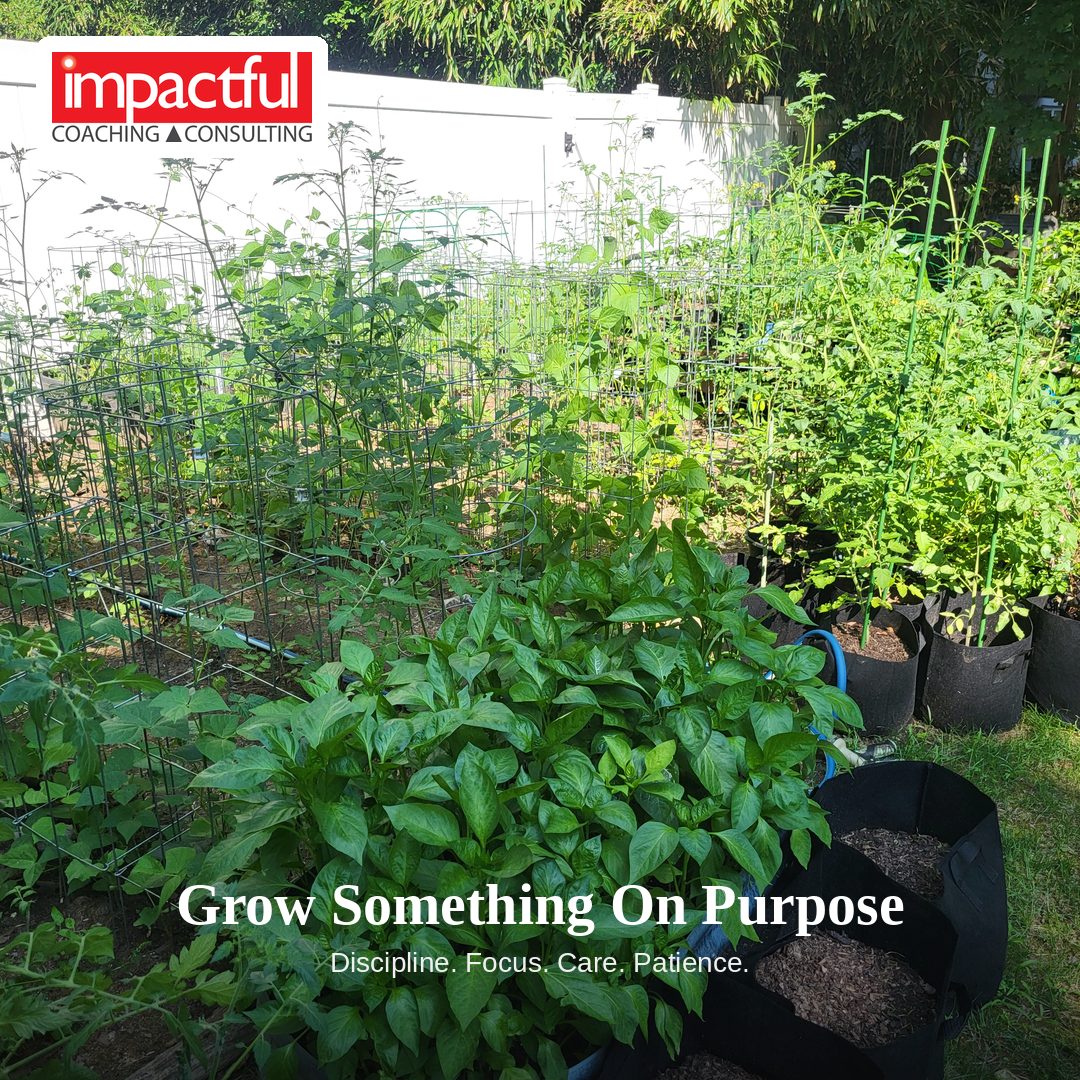
Read MoreI didn't expect a vegetable garden to teach me much about leadership or productivity. I started it because I wanted an excuse to get outside, move my body, and feel the sun on my face after a day of calls and coaching sessions. But a few seasons in, I've realized my garden has quietly become one of the best teachers I have.
Read MoreIt's that time of year. Out-of-office replies are going up, flights are booked, and half the leaders I coach are either packing their bags or counting down the days until they do.
And almost every one of them is planning to check email "just a little" while they're gone.
I get it. When you're the one holding things together — running a school, leading a team, growing a business — stepping away feels risky. What if something breaks? What if a decision can't wait? Isn't a quick check-in just being responsible?
Here's what I tell my clients: a vacation where you're still half-working isn't a vacation. It's just work with a nicer view.
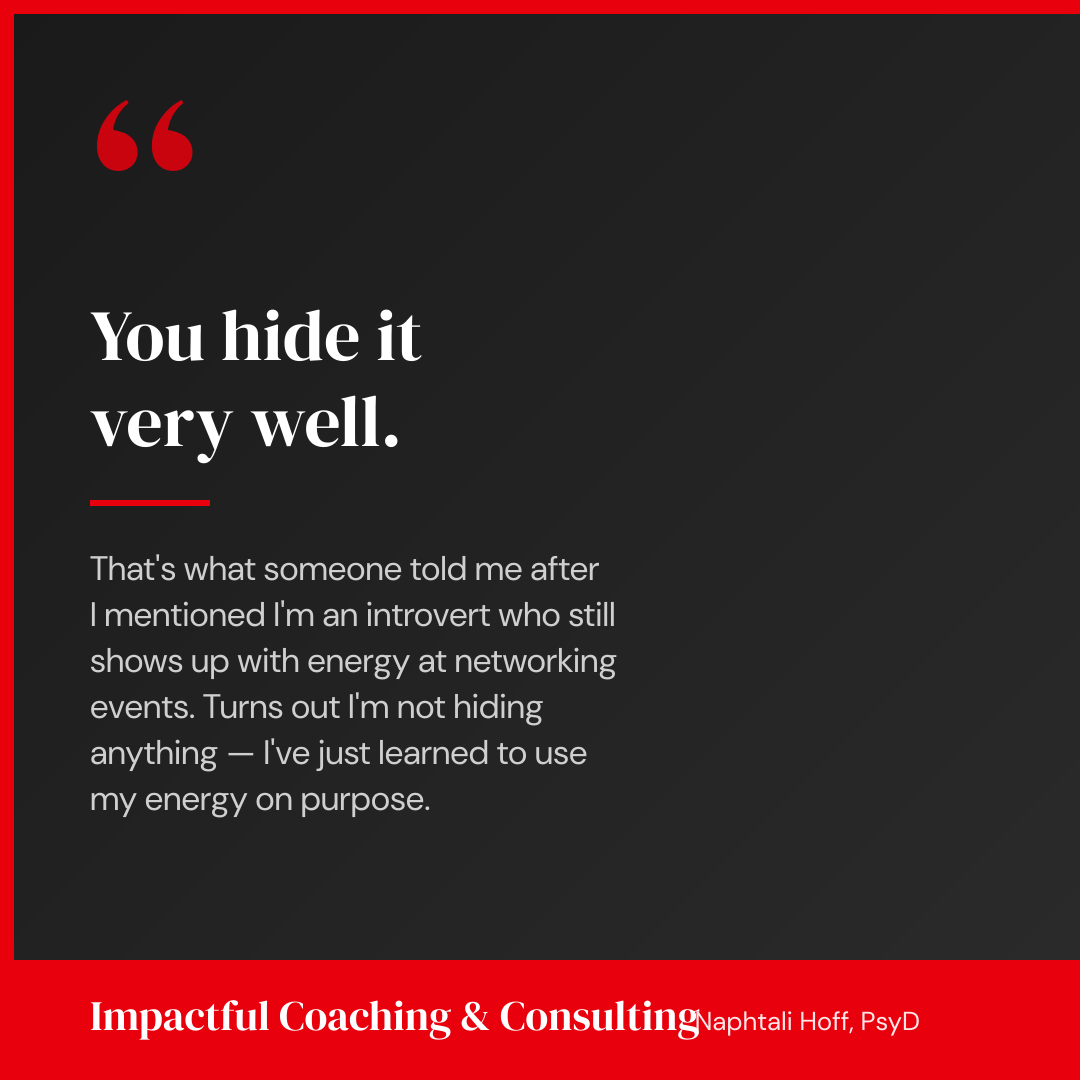
Read MoreLast week, our networking group ran ahead of schedule. Everyone had given their one-minute pitch, and instead of sitting in dead air, I picked up the mic and started riffing on networking, branding, and differentiation. Somewhere in there, I mentioned that I'm an introvert — and that I still show up with energy and actively seek out connection.
Afterward, someone pulled me aside. "If you're an introvert," he said, "you hide it very well."
He meant it as a compliment. But it stuck with me, because it revealed something most people get wrong: the idea that introversion and extroversion are costumes you either wear well or don't. They're not. They're wiring. And once you understand how that wiring actually works, you stop mistaking performance for personality — in yourself and in everyone you lead.
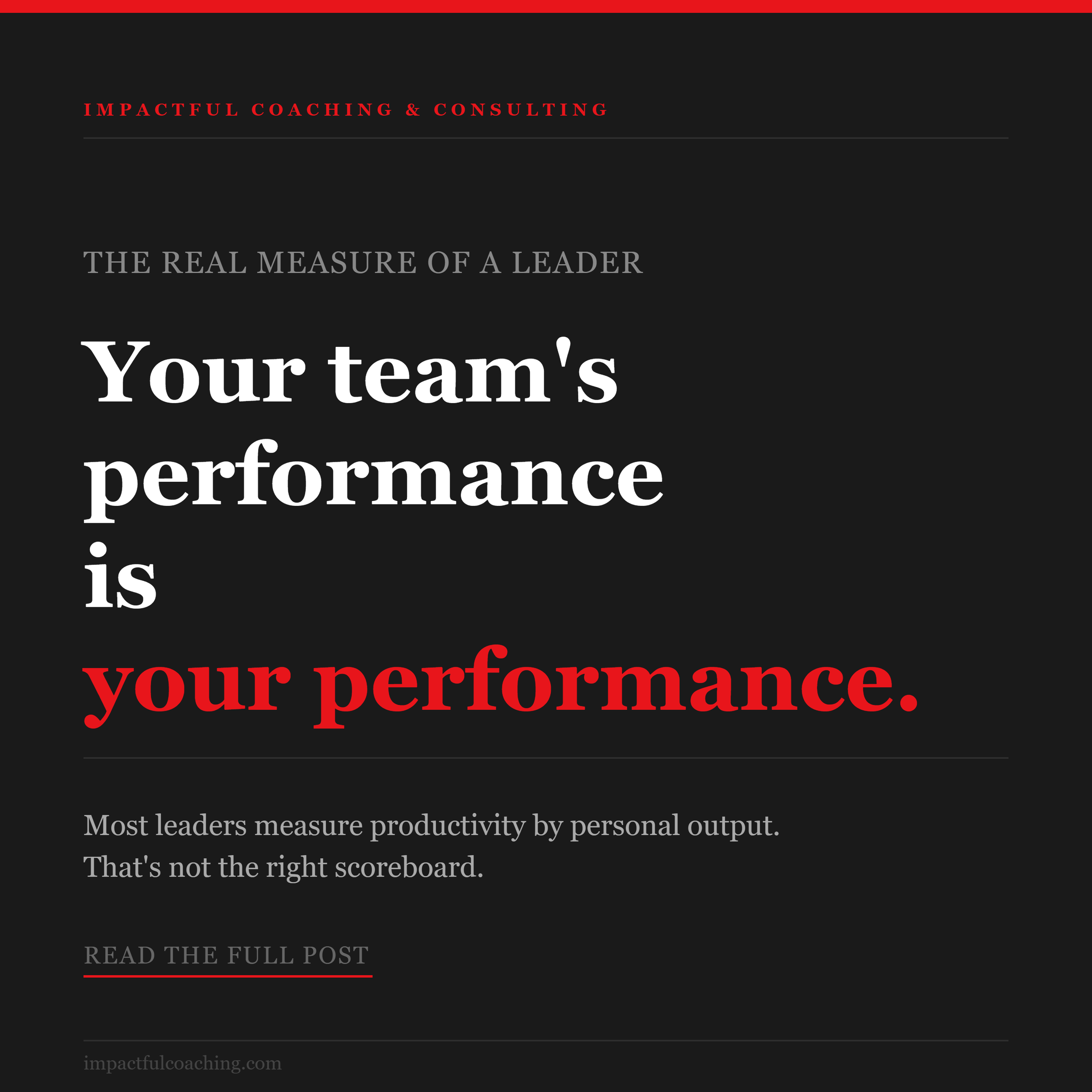
Read MoreHere's an uncomfortable truth most leaders don't want to sit with: your effectiveness as a leader is not measured by how hard you work. It's not measured by how many hours you log, how many fires you put out, or how many meetings you run.
It's measured by what your team produces when you're in the room — and when you're not.
Read More