The gap between book knowledge and earned wisdom is wider than most people admit. Here’s why real-world experience changes everything — and how to build more of it.
Read More
The gap between book knowledge and earned wisdom is wider than most people admit. Here’s why real-world experience changes everything — and how to build more of it.
Read MoreSome of the most stressed, overworked leaders I've ever met aren't struggling because of their workload. They're drowning because of something far more invisible — and far more exhausting.
Every decision they make runs through a filter. Before they send the email, before they make the call, before they set the direction — there's a quiet, relentless question running in the background: What will people think of me?
If that’s you, it’s costing you more than you realize. It's costing you clarity. It's costing you speed. And most of all, it's costing you your confidence as a leader.
Read MoreCertain leaders say all the right things at meetings and on the offsite. They talk about empowerment, autonomy, and trusting the team. They believe — genuinely believe — that micromanagement is a trap they'd never fall into.
And then they get back to the office and check the work before it goes out. They add themselves to every email thread. They ask for one more update before the meeting. They rewrite the draft that was, honestly, perfectly fine.
This isn't hypocrisy. It's just what happens when trust is theoretical, but anxiety is real.
Read MoreWe spend a lot of time talking about success. We celebrate the launches, the revenue milestones, the promotions, the growth metrics. We build frameworks around achievement and surround ourselves with people who've hit their targets. Achievement, in our culture, is the currency of credibility.
But here's something that rarely makes it into the keynote speeches or the LinkedIn carousels: success alone doesn't fulfill you.
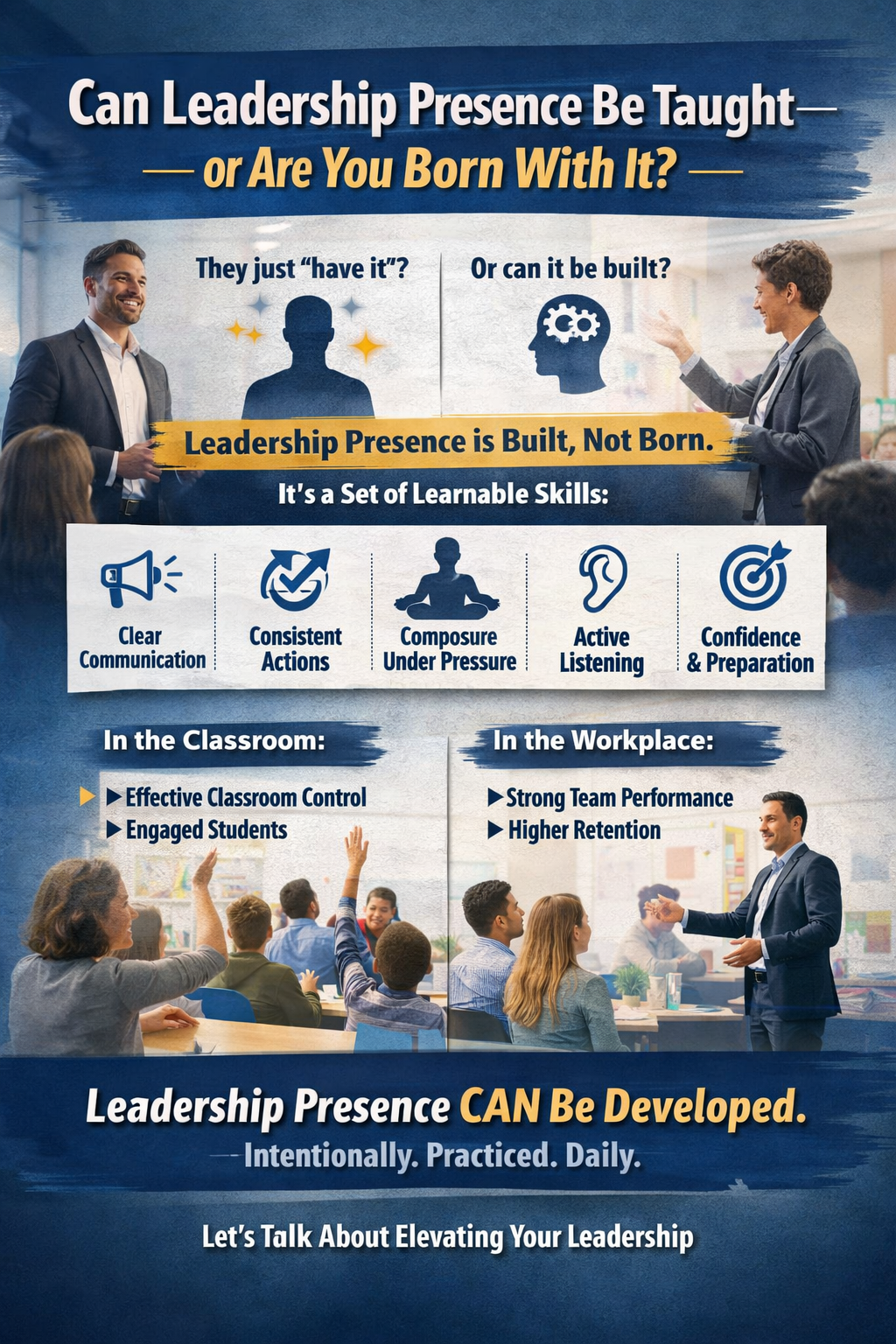
Read MoreCan leadership presence be taught… or is it something you either have—or you don’t?
It’s a question that comes up often in my work with leaders across industries—and even more so in education.
Because when you see someone with strong leadership presence, it feels almost intangible. They walk into a room and command attention without demanding it. They communicate clearly. They create alignment. People listen—and more importantly, people respond.
It looks natural. Effortless. Like something they were born with.
But that assumption is wrong.
Read MoreWhen I launched my School Leadership Mastermind for school principals and administrators back in June, I wasn’t quite sure what to expect. It was my first time running a mastermind group of any kind and, while I had participated in and gained from other masterminds, running my own would be a totally different experience. Particularly in the throes of a COVID pandemic that had put school leaders back on their heels for months.
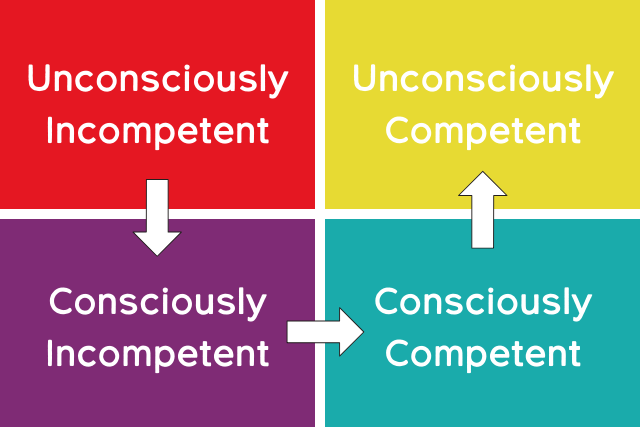
Read MoreWe all want our people to do good, competent work. We also want them to work quickly, without having to think extensively each time about what it is that they’re doing. In other words, we want them to develop to a level of unconscious competence.
Researchers have identified four stages that people progress through as they develop their skills in various areas. Initially (stage 1,) individuals are unaware of how little they know about their knowledge or skill deficits. They are unconscious of the scope of their incompetence and are consequently unlikely to take meaningful action to increase their capacity.
Read MoreFinding the right person to delegate to may not be enough. Often, that person – experienced or not – is going to need to learn new concepts and skills to do their job correctly and efficiently.
One of the first questions you want to ask is, “what do you need to learn in order to do this task properly?” Once s/he has responded, add whatever you feel may still be missing. At that point, work to determine how s/he is going to get the needed training.
Read MoreFollowing are more tips to help keep feedback conversations constructive.
Be growth oriented – The primary purpose of feedback should not be assessment. Rather, it should be on coaching employees to grow and set new goals. Once goals are set, use them as a baseline for future conversations with a focus on how the employee is progressing towards his/her goals. If insufficient progress is being made, use the conversation to figure out why and what can be done to help get things on track.
Be reasonable – Even if there are many correctable items that you’d like to discuss, avoid overloading. Too much information will only dilute the conversation and reduce its effectiveness. Choose the 2-3 most important elements that require attention and leave all others alone. Less is more.